
Coin collecting looks simple from outside, but it has real depth behind it. People call it numismatics, and it goes beyond just saving old coins. Some people collect for fun, some for history, and some look at it as long-term value. In this guide, you will understand coin collecting in a very simple way. No confusing terms, no heavy theory, just clear ideas that anyone can follow. If you are new, this will help you start from zero and avoid early mistakes.
You will also learn the difference between collecting coins as a hobby and collecting coins for value. Both paths look similar at the start, but they work differently over time. Many beginners mix these two and lose direction. This blog will also show why people collect coins and what makes them valuable in the first place. You will see how coins connect with history, metal value, and demand in the market.
By the end, you will clearly understand the basics of coin collecting guide, numismatics basics, and coin hobby beginner mindset without any confusion.
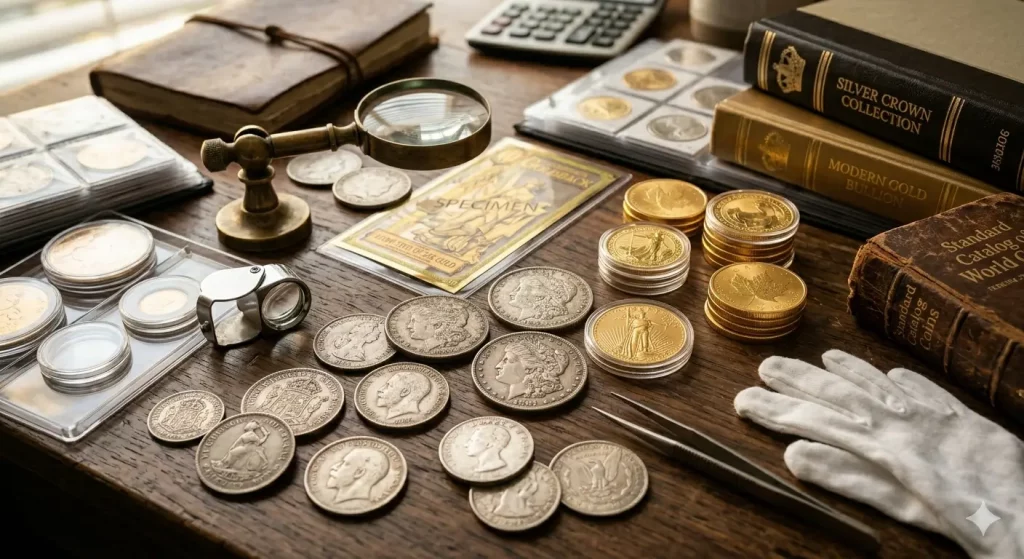
Why People Start Coin Collecting
People start coin collecting for many different reasons. Some people feel curious about old history, some like the look of coins, and some think about long term value. It is a mix of interest, emotion, and sometimes smart money thinking. For many beginners, it starts as a simple hobby. They see a coin and feel it has a story behind it. Over time, this small interest grows into a serious collection. That is how most coin collectors begin their journey.
Another big reason is value. Gold and silver coins often hold real metal worth. People like the idea that their money is not just paper or digital numbers. They prefer something physical like bullion coins that stays strong over time. Some people also enjoy the process itself. Searching for coins, learning their history, and building a collection gives a sense of satisfaction.
Here are the main reasons people start coin collecting:
- interest in history and old currency
- attraction to gold coins and silver coins value
- idea of protecting money in physical form
- simple hobby that feels relaxing
- chance to find rare coins collecting opportunities
- learning something new over time
- building a personal collection step by step
For a coin hobby beginner, it usually starts small, but it slowly turns into a long-term interest.
Types of Coins You Can Collect
Coins come in different types, and each type has its own purpose. Some coins are common, some are made for special events, and some are linked directly with gold and silver value. Understanding these types helps you choose the right path in coin collecting.
Circulated Coins
These are coins people use in daily life. You may already see them in your pocket or wallet. They are not rare, but they still have interest for collectors because of history and age. Many circulated coins come from old years or past designs. Some collectors keep them to study how money changed over time.
Commemorative Coins
These coins come from special events or celebrations. Governments or official mints release them in limited numbers. That limited supply makes them more interesting for collectors. People often collect them for design, theme, or memory value. Some stay common, but some become harder to find over time.
Bullion Coins (Important for Investors)
These coins connect directly with gold and silver value. Their price mostly depends on metal weight and market rate, not just design. Bullion coins are popular in investment coin collecting because they hold real metal value. Many people use them to store wealth in physical form.
Comparison Table
| Coin Type | Purpose | Value Type |
| Circulated | Hobby | Low |
| Commemorative | Collecting | Medium |
| Bullion | Investment | High (metal value) |
For anyone exploring rare coins collecting or coin investment hobby, bullion coins often feel more stable. Circulated and commemorative coins add interest and variety to the collection. Many collectors in the UK also connect these coins with trusted sources like British coins programs and gold bullion coins markets, where silver bullion coins also play a strong role in long-term value storage.
How to Start Coin Collecting Step by Step
Starting coin collecting is not hard. You just need a clear direction and small smart steps. Most beginners make mistakes because they rush. If you go slow, you build a strong collection.
Step 1: Decide your goal
First thing, be clear why you want to collect coins.
Some people do it for hobby, some for investment.
- hobby means you enjoy coins and history
- investment means you think about long term value
Both are fine, just don’t mix them without understanding.
Step 2: Start small
Don’t spend big money in the beginning.
Start with low cost coins first.
You can try:
- circulated coins
- small silver coins
- entry level collectibles
This helps you learn without risk.
Step 3: Learn basic grading
Coin condition changes everything. A small scratch can reduce value.
You should learn:
- clean coins are not always better
- original condition matters most
- even small marks affect price
This step is very important in coin collecting guide.
Step 4: Buy from trusted sellers
Fake coins exist in the market. Beginners often get trapped.
Always:
- buy from trusted dealers
- check authenticity
- avoid random sellers online
In UK market, many collectors prefer verified sources like bullion dealers for safety.
Step 5: Store properly
Good storage protects your coins for long time.
Simple ways:
- keep coins in capsules
- avoid touching surface directly
- store in dry place
- avoid heat and moisture
This keeps value safe and stable. If you follow these steps slowly, collecting coins becomes simple. You build experience first, then your collection grows naturally.
Coin Grading Explained
Coin grading means checking the condition of a coin. Simple words, it tells how good or worn a coin looks. This matters a lot because same coin can have very different price based on condition. In numismatics basics, grading is one of the most important things. Even small scratches or wear can change value. That’s why collectors always check coin condition before buying or selling. Price changes because collectors prefer coins that look closer to original mint state. Better condition usually means higher demand and better value in market.
Basic Coin Grading Levels
- Poor
Coin is heavily damaged or very worn. Details are almost gone. Value stays very low. - Good
Coin is worn but main design still visible. You can see what the coin is, but details are weak. - Fine
Coin shows moderate wear. Most details still clear. Still collected by many beginners. - Very Fine
Coin has light wear only. Design looks clean and sharp. Popular level for collectors. - Uncirculated
Coin looks almost new. No real wear. Close to original mint condition. Highest value range.
This grading system, often linked with Sheldon scale and modern grading system standards, helps collectors understand real coin condition. It is a key part of any coin grading guide and very important for anyone serious about coin collecting.
How to Know a Coin’s Value
Coin value is not random. It depends on a few clear factors. Once you understand these, you can quickly judge why one coin costs more than another. In coin collecting guide and rare coins collecting, value usually comes from mix of condition, demand, and metal type.
What affects a coin’s value
- Rarity
If fewer coins exist, value goes higher. Rare coins are harder to find in market. - Metal content (gold/silver)
Coins made from gold or silver often follow real metal price. This connects directly with gold price and silver price in the market. - Condition
Better condition means higher value. Even small wear can reduce price. - Demand
If more collectors want a coin, price increases. Low demand coins stay cheaper. - Historical value
Older coins or coins with history often attract more interest from collectors.
All these factors work together inside the bullion market and collector market. That’s why two similar coins can have very different prices. If you understand these points, coin value tips become very simple and clear for any beginner.
Best Way to Store Coin Collection
Storing coins properly is very important. One small mistake can reduce value over time. Coins need protection from air, moisture, and direct touch. Good coin collection storage keeps coins safe for years and helps maintain their condition.
Coin storage methods
- Coin capsules
These are hard plastic covers for single coins. They protect from scratches and fingerprints. Best for valuable or rare coins. - Albums
These hold many coins in one place. Easy to view and organize collection. Good for display but less protection than capsules. - Storage boxes
These are used for bulk storage. They keep coins together safely but need proper internal protection.
Simple storage comparison
| Storage Method | Protection Level | Use |
| Capsules | High | Individual coins |
| Albums | Medium | Collection display |
| Boxes | High | Bulk storage |
Important care tips
- Never touch coin surface with bare hands
- Always hold coins from edges only
- Keep coins in dry place with low moisture
- Avoid heat and humidity changes
- Use proper humidity control if storing long term
Common Mistakes Beginners Make
Most beginners lose money or damage coins because they rush or skip basic knowledge. If you avoid these mistakes, your coin collecting journey becomes much safer and smoother.
Common mistakes to avoid
- Touching coins directly
Fingers leave marks and oils. This slowly reduces coin condition and value. - Buying without research
Many beginners buy random coins without checking real value. This often leads to overpaying. - Ignoring grading
Coin condition matters a lot. Small scratches or wear can change price completely. - Overpaying for hype coins
Some coins look popular online but have low real value in market. Always check real demand. - Poor storage
Wrong storage can damage coins over time. Moisture, heat, and dust reduce quality.
Is Coin Collecting a Good Investment?
Coin collecting can be a hobby, and it can also work like a long term value storage. But both are not same thing. You need to understand this clearly before spending money. A hobby collector focuses on interest, design, and history. An investor looks at value growth and metal price over time.
Bullion coins usually give more stable value because they connect with real metal like gold and silver. Their price often moves with the market, not just collector demand.
- bullion coins stay closer to real metal value
- gold coins and silver coins often hold long term strength
- coin investment hobby works better when you think long term
- rare coins collecting can give higher returns but also more risk
- market value depends on gold price and silver price
- precious metals usually protect value better than paper money
This is not a quick money idea. Coin collecting works better as slow and steady value storage, not fast profit.
Where to Buy Coins Safely
How to Buy Gold Online? Buying coins from the right place is very important. If you buy from wrong sellers, you can face fake coins or wrong pricing. Always focus on trusted sources, especially when dealing with gold coins, silver coins, or bullion investment products.
Trusted places reduce risk and protect your money.
- always use trusted UK bullion dealers
- avoid random online sellers with no reputation
- check authenticity before buying any coin
- prefer established online coin shops
- check product details and metal purity clearly
- use well known sources like Royal Mint when possible
In UK market, many people prefer verified online bullion dealers because they provide real products with proper checks.
Final Thoughts
Coin collecting is not complicated if you take it step by step. It becomes easier when you start small and stay consistent. Focus on learning first, not rushing to buy expensive coins. Understand the basics, then slowly build your collection. Over time, small learning turns into strong knowledge, and your collection grows in a more stable way.
FAQs
What is coin collecting in simple words?
Coin collecting means keeping coins for interest, history, or value. Some people also call it numismatics. It can be hobby or investment.
Is coin collecting good for beginners?
Yes, it is good for beginners if you start small. Focus on learning first, not expensive coins. This makes coin hobby beginner journey safer.
Do coins increase in value over time?
Some coins increase in value, not all. Value depends on rarity, condition, demand, and metal content like gold or silver.
What coins should beginners start with?
Beginners can start with circulated coins, small silver coins, or basic bullion coins. These are easier to understand and less risky.
How do I know if a coin is valuable?
Check rarity, condition, and metal type. Also compare market demand. Coin value tips help you avoid overpaying.
What is coin grading?
Coin grading is checking coin condition. Better condition usually means higher price. It is a key part of coin grading guide.
Is coin collecting same as investing?
No, not always. Collecting is more about interest. Investing focuses more on value growth, often linked with gold coins and silver coins.
Where should I store my coin collection?
Use coin capsules, albums, or storage boxes. Keep coins in dry place and avoid touching surface directly.
Can I buy coins online safely?
Yes, but only from trusted UK bullion dealers or verified online coin shops. Always check authenticity before buying.
Are bullion coins better for investment?
Bullion coins are often better for long term value because they follow gold price and silver price in bullion market.