
If you have a gold sovereign coin, you might have seen the number stamped on it. This number is the face value but many people get confused. They wonder Is this the price I can sell it for? or Does it show the coin’s real worth?
The face value is just the official money value printed on the coin. It is usually much lower than what the coin is worth today in gold or as a collectible. Knowing the difference is important if you want to invest in coins or understand their value.
In this guide we will explain face value in simple words. You will learn how it compares to market price and collectible value and what it means for anyone interested in coin investing.
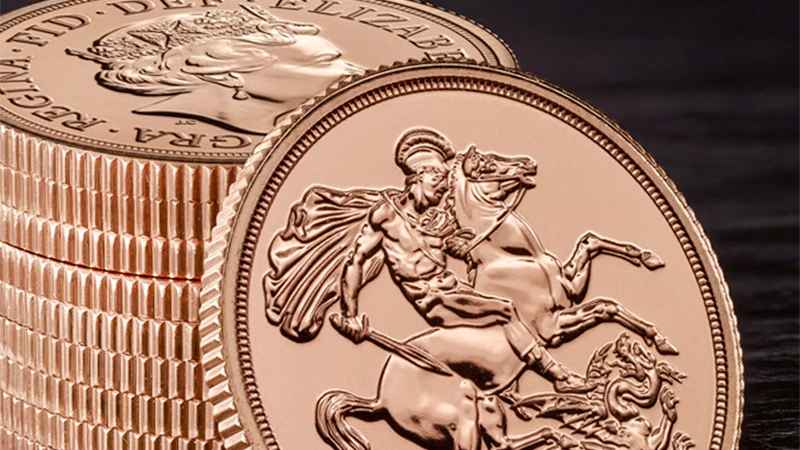
What Is a Gold Sovereign Coin?
A gold sovereign is a real gold coin that people in the UK have used for hundreds of years. It was first made in the time of King Henry VII and later coins under Queen Victoria became very famous.
These coins are legal money, which means they have an official face value. But the real value usually comes from the gold inside or if the coin is rare or collectible.
Gold sovereigns are not just coins for spending. Many people keep them as bullion coins or part of their coin collection. They are small, easy to store and trusted because they have been around for centuries.
How Gold Sovereigns Are Made
Gold sovereigns are made carefully in the Royal Mint. Each coin is real gold and has a fixed weight. The gold is usually 22 carats which means very pure.
The mint uses special machines to stamp the design on the gold. This design shows the monarch on one side and a symbol or shield on the other. Every coin is checked for quality before it leaves the mint.
Because of this careful process, gold sovereigns are trusted by collectors and investors. You know the gold inside is real, which is why they are popular as bullion coins and for coin investing.
What Does “Face Value” Mean?
The face value of a coin is the official money value printed on it. For a gold sovereign, this might be 1 pound or 5 pounds, depending on the type.
Face value is legal money, so the coin can be used in shops or banks in theory. But in reality, the gold inside is worth much more. For example, a coin with a face value of 1 pound may have gold worth 300 pounds today.
So, face value shows what the coin is officially worth, but it does not show its true value for investors or collectors.
Face Value vs Gold Market Value
Gold sovereign coins have three types of value. Each shows a different side of what the coin is worth.
| Face Value | Gold Spot Value | Collectible Value |
|---|---|---|
| Official money stamped on coin (e.g., £1) | Current price of gold in market (e.g., £300 per coin) | Extra value if coin is rare or old, collector demand adds more |
| Legal tender, can be used to pay | Real gold inside the coin | Depends on age, rarity and condition |
| Fixed, never changes | Changes every day with gold price | Can be higher or lower than gold value |
This table shows the difference clearly. Face value is very low. Gold spot value is what investors care about. Collectible value can make rare coins much more expensive than both.
To make face value easy to understand, let’s look at some examples:
- Regular gold sovereign
- Face value: £1
- Gold content worth today: £300
- This shows the coin’s real value is much higher than the face value.
- Collectible or rare coin
- Face value: £1 or £5
- Market/collector value: £500 or more
- Older or rare coins can have extra value because collectors want them.
These examples show that face value alone does not tell the full story. Investors and collectors always look at gold content and rarity.
Why Face Value Is Not What Matters for Investors
For most people who invest in coins, the face value is not important. It only shows the official money value, not what the coin is really worth.
Investors focus on these things instead:
- Gold content: The real weight of gold in the coin.
- Market price: How much gold costs today.
- Rarity or collectible status: Old or rare coins can sell for much more than gold alone.
A coin with a low face value can still be very valuable if it has gold and numismatic demand. This is why serious coin investing always looks beyond the face value.
When Face Value Might Matter
Even though face value is usually not important for investors, there are some cases where it still matters. The coin being legal tender can make it easier to sell in certain places. Some shops or buyers may ask for coins that are officially recognized as money.
Face value can also matter if the coin is old or rare, because it shows the coin is authentic and may add to its collectible value.
Here are some situations where face value plays a role:
- Legal tender recognition: Banks or shops may check face value.
- Selling small amounts quickly: Face value confirms it is official coin.
- Old coins with collector interest: Face value helps prove rarity and grade.
How to Check the Face Value of Your Coin
Checking the face value of a gold sovereign is easy. You can do it yourself in a few simple steps:
- Look at the front of the coin: The face value is usually stamped clearly.
- Check the Royal Mint or government mint info: Official sources confirm the coin’s face value.
- Use online coin catalogs or price lists: Many websites show face value and gold content.
By following these steps, you can quickly know the official value of your coin before thinking about its market or collectible worth.
Factors That Affect a Coin’s Value
Not all gold sovereigns are worth the same. Some coins sell for much more than their face value. Here are the main factors:
- Age / Year of Mint: Older coins, especially from the 1800s, are often rare.
- Condition / Grade: Coins that look new or are well-preserved get higher value.
- Rarity: Some years had fewer coins made, making them more valuable to collectors.
- Collector Demand: Popular coins with many collectors can sell for a premium.
Even coins with the same face value can be worth very different amounts depending on these factors. Understanding this helps in coin investing and knowing which coins to buy or sell.
Tips for Buying and Selling Gold Sovereigns in UK
Buying or selling gold sovereigns is easy if you follow some simple tips.
- Check dealer reputation: Always buy from trusted dealers or the Royal Mint.
- Compare spot price: Look at current gold prices before buying or selling.
- Look for certified coins: Coins with certification are easier to sell and often worth more.
- Keep coins safe: Store in a safe place or a coin case to maintain value.
Following these tips helps you invest wisely and avoid paying too much or losing value when selling. This makes buying and selling gold sovereigns in the UK safer and profitable.
Conclusion
The face value of a gold sovereign shows official money, but it is not the real investment value. Most coins have gold content worth much more than the number stamped on them.
For investors and collectors, the gold price, rarity and collectible value matter most. Some coins can be worth much more if they are old or rare. Understanding this helps you make smarter choices in coin investing.
Want to see the current value of gold sovereigns? Visit our site to check the latest gold prices, buy or sell bullion coins and learn more about coin investing. You can also read our related blog on coin value and collectible coins to make better decisions.
FAQ
Is face value the price I pay for a gold sovereign?
No. The face value is just the official number on the coin. The real price depends on the gold content and market value.
Does UK tax consider face value?
No. Tax rules usually look at the gold or collectible value, not the face value.
Can I use a sovereign coin in a bank?
Yes, it is legal tender, so banks recognize it. But most banks value it by gold content, not the face value.
Does face value matter for investors?
Not much. Investors care more about gold weight, spot price and rarity.
How do I find the face value of my coin?
Check the front of the coin, official Royal Mint info, or online coin catalogs.