Gold has been important for money for thousands of years. The gold standard is a system where money was linked to real gold. People could exchange paper money for gold so value of money depended on gold reserves.
Here, you will learn what gold standard really means, its history, different types it had, why it ended and how it compares to the money we use today. We also explain why gold still matters for investors and the economy.
What is the Gold Standard?
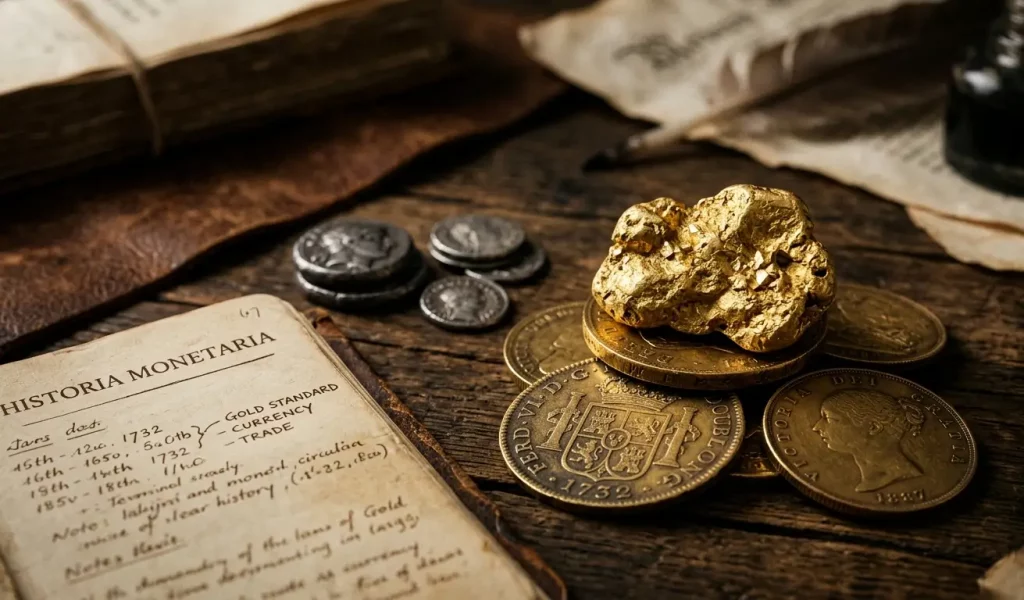
The gold standard is a system where money is linked to real gold. Every note or coin represents a certain amount of gold. People could trade paper money for gold if they wanted.
Governments had to keep gold in reserve to back the money they issued. This meant the amount of money in the economy could not be more than the gold they held. It kept money stable and limited inflation.
For example, if £100 could be exchanged for a fixed amount of gold value of that £100 depended directly on gold. The money was only as strong as the gold behind it.
Why Gold Was Used as Money for Centuries
People chose gold for money because it is rare and valuable. Only a limited amount exists, so it kept its worth over time.
Gold is strong and does not spoil. It can be shaped into coins or small bars, which makes trading easier. Its weight and size make it practical for daily use.
Many civilisations used gold coins long before modern banks. They trusted gold to keep wealth safe and settle trades across regions.
Reasons gold became money:
- scarce
- durable
- recognised globally
- hard to counterfeit
History of the Gold Standard
The gold standard began when countries wanted stable money. Linking currency to gold helped people trust that money had real value. Britain was the first modern country to adopt this system.
Timeline of the Gold Standard:
1821
The Royal Mint started backing paper money with gold. Gold coins like Sovereigns were widely used. This gave people confidence that their money could be exchanged for gold if needed.
Late 1800s
Other major economies, including Germany, France, and the United States, adopted the gold standard. It helped international trade because currencies had predictable value. Merchants could trade goods between countries without worrying about big changes in money value.
Early 1900s
By the early 20th century, gold standard became a worldwide system. Countries kept gold reserves in their banks to support currency. Money supply in each country depended on how much gold it held. This made international trade more reliable and reduced sudden inflation.
Gold coins and bullion were still widely circulated, but paper money became more common for daily transactions. Central banks used gold reserves to back money and control the economy. This period shows how gold shaped the global economy before modern fiat money systems.
Next, let’s look at the different types of gold standard used by countries.
Three Types of Gold Standard
The gold standard was not one single system. Different countries used it in different ways. We can divide it into three main types:
| Type | How it Worked | Example |
|---|---|---|
| Gold Specie Standard | Money was backed directly by gold coins in circulation | 19th century Britain |
| Gold Bullion Standard | Paper money could be exchanged for gold bars, not coins | Early 20th century |
| Gold Exchange Standard | A country’s currency was linked to another gold-backed currency | Many countries in late 19th – early 20th century |
Gold Specie Standard
In this system, gold coins were actual money people used daily. Paper money represented the same value as gold coins. Britain used this in the 19th century with coins like Sovereigns and Crowns. This made money reliable because its value came directly from gold in circulation.
Gold Bullion Standard
Here, paper money could be exchanged for large gold bars kept in banks. Coins were not required in daily transactions. This system appeared in the early 20th century. It made it easier for governments to handle money supply while still keeping it backed by gold.
Gold Exchange Standard
Some countries did not have enough gold to back their own currency. They linked their money to another country’s gold-backed currency, often the British pound or the US dollar. This allowed smaller countries to benefit from a stable gold system without holding large gold reserves themselves.
Gold Standard in the 20th Century
The gold standard continued to guide money in many countries during the early 1900s. For decades, it kept currency values stable and made international trade predictable. Governments used gold reserves to back their money, so each country’s money was only as strong as the gold it held.
World War I and other economic crises started to weaken the system. Countries spent more money than their gold reserves could support. This caused tension in the global gold standard system, as governments struggled to maintain value and trade stability.
Britain finally left the gold standard in 1931. The Bank of England stopped exchanging pounds for gold because the country could not keep up with its gold obligations. Other countries gradually followed, marking the decline of the gold-backed global monetary system.
The Bretton Woods System
After World War II, countries wanted a stable international money system. They met at Bretton Woods and made an agreement to prevent economic chaos and help trade grow.
Under this system, the US dollar was linked to gold. Each dollar could be exchanged for $35 worth of gold. This made the dollar strong and trusted worldwide.
Other countries linked their money to the US dollar instead of gold directly. This created a stable international monetary system. It helped countries trade without worrying about sudden changes in money value and kept global finance more predictable.
Why Gold Standard Started to Collapse
Gold standard began facing serious problems in the mid-20th century. Several factors made it hard for countries to keep their money backed by gold.
Key reasons:
- Governments printed more money than their gold reserves
Countries needed more money for spending than the gold they had. This made it hard to keep the currency value stable. - Global economy is growing faster than gold supply
Trade and production increased faster than gold supply. There was not enough gold to match the growing money demand. - US spending increased in the 1960s
The United States spent a lot on programs and the Vietnam War. This caused dollars in circulation to rise beyond gold reserves. - Foreign countries started converting dollars into gold
Countries holding US dollars wanted real gold. This put pressure on US gold reserves and made the system unsustainable.
These issues slowly weakened the gold standard and set the stage for its end in 1971.
Why the Gold Standard Ended in 1971
In 1971, the gold standard came to an end. US President Richard Nixon decided that the US dollar would no longer be exchanged for gold. This move is called the Nixon Shock.
By then, there were too many dollars in circulation. The US did not have enough gold reserves to back all the dollars held by other countries.
Foreign governments were demanding gold in exchange for their dollars. This put huge pressure on the US and risked a global financial crisis.
Nixon’s decision officially ended the gold-backed global monetary system. From that point, money was no longer tied to gold, and countries shifted to using fiat currencies.
Gold Standard vs Fiat Money
Money systems today are very different from the old gold standard. The key difference is what gives money its value and who controls it.
| System | Backed by | Money Supply Control |
|---|---|---|
| Gold Standard | Physical gold | Limited by gold reserves |
| Fiat System | Government authority | Central banks control money |
In the gold standard, every note or coin is backed by real gold. This makes money stable and trusted because its value depends on something tangible. Governments cannot print more money than their gold reserves. This keeps inflation low and prevents money from losing value quickly. But it also makes it hard for governments to respond to economic problems. For example, during a recession, they cannot easily create more money to help people and businesses.
Fiat money is not backed by gold. Its value comes from government authority and trust. Central banks control the money supply and can increase or decrease it based on economic needs. This gives flexibility to stimulate the economy or manage crises. But it also carries risks. If too much money is printed, inflation can rise, and the money can lose value. Trust in the currency is very important for it to work properly.
Comparison in practice
- Gold standard keeps money safe but rigid. Countries cannot adjust money supply easily.
- Fiat system allows governments to manage the economy but requires careful control to avoid inflation or loss of trust.
Understanding these differences helps investors see why gold is still important today. Even without the gold standard, gold remains a safe store of value when fiat money can lose purchasing power.
Could the Gold Standard Return?
Some economists think returning to the gold standard could make money more stable and protect against inflation. They say it would give people and investors more trust in currency.
Others argue it would limit governments and central banks. Modern economies need flexibility to handle recessions, trade issues, and financial crises. A strict gold system would make it hard to adjust money supply when needed.
Today, most countries rely on flexible fiat currency systems. While gold is still valuable and used as an investment, a full return to the gold standard is unlikely because it would not fit the needs of the global economy.
Why Gold Still Matters for Investors Today
Even though money is no longer backed by gold, gold itself remains very important. Central banks around the world still hold large gold reserves to support their currency and economy.
Investors buy gold as a way to protect their wealth. Gold bars and coins keep value even when inflation rises or currencies lose purchasing power. It acts as a safe store of value when other investments may be risky.
Physical gold, like bullion and coins, is especially popular. People can hold it directly, and it is trusted worldwide. Buying gold can help investors hedge against inflation and secure long-term financial stability.
Conclusion
The gold standard shaped the global money system for hundreds of years. Even though it ended, gold still matters today. Investors, central banks, and economies trust gold as a valuable asset, making it important for wealth protection and financial planning.
FAQs
What is the gold standard?
The gold standard was a system where money was backed by real gold. People could exchange paper money for gold at a fixed rate.
Why did the gold standard end?
It ended because countries had more money than gold reserves. The US stopped converting dollars to gold in 1971, ending the global gold-backed system.
What replaced the gold standard?
Fiat money replaced it. This is money not backed by gold but trusted because governments and central banks manage it.
Can the gold standard return?
Most experts say no. Modern economies need flexible money systems to handle trade, inflation, and economic crises.
Why is gold still important today?
Gold is still a safe investment. Investors buy gold bars and coins to protect wealth and hedge against inflation, even without a gold-backed currency.
How can I buy gold in the UK?
You can buy gold bullion, coins, or bars through trusted dealers. Make sure they are certified and offer secure delivery and storage.