There are many types of silver. Pure silver is very soft and easy to bend so it is mixed with other metals, usually copper, to make it stronger. The types of silver is decided based on the amount of metal added.
In this guide, we will explain the main types of silver. You will see how to tell them apart, where they are used, and which silver is best for buying or investing. You will also learn how to avoid fake or low-quality silver. By the end, you will know silver better and make smarter choices.
What is Silver and Why Is It Valuable?
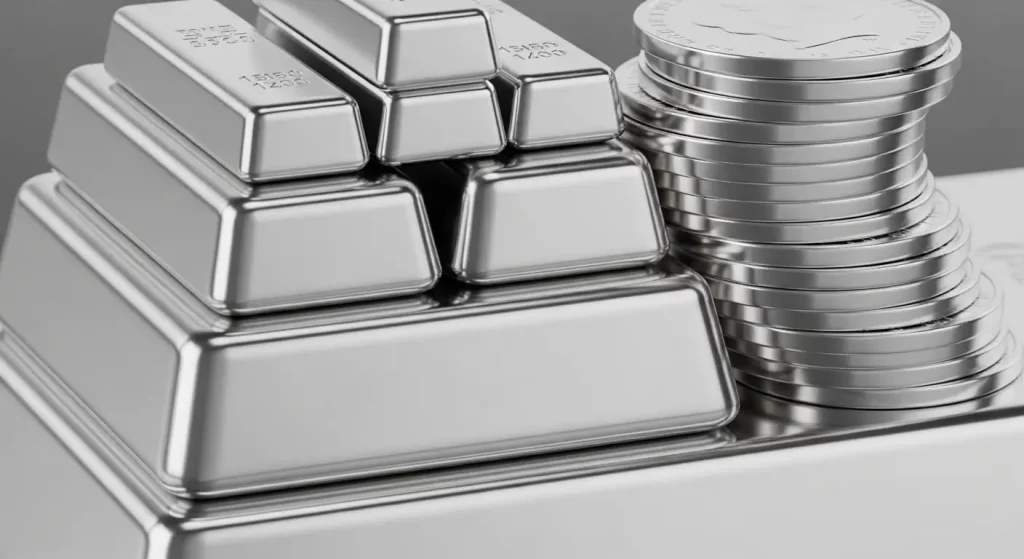
Silver is a rare, shiny, and precious metal used in coins, jewellery, utensils, electronics, and for investment. It has been trusted for hundreds of years all across the world to keep wealth safe.
The value of Silver remain stable in inflation and economic instability. That is why investors use it as a backup during uncertain times. It is used in solar panels and medicine.
Why Knowing Silver Types Is Important
Knowing types of silver is important because it helps you make smart choices. Not all silver is same. Some silver is pure, some mixed with other metals. This changes its price, strength, and value. If you don’t know the type, you can buy low-quality or fake silver and lose money. It’s like buying a property – quality matters and affects value.
- Purity affects price – more pure silver costs more
- Strength affects durability – mixed silver lasts longer
- Resale value depends on silver content – high purity sells better
- Helps avoid fake or low-grade silver
- Like property, better quality silver is always more valuable
Understanding Silver Purity (Hallmarks & Number Codes)
Silver purity tells how much real silver is inside. Purity is measured in parts per thousand. Hallmark numbers show the purity on silver items. This helps you know what you are buying.
Silver Grades Chart
| Code | Purity | Name | Common Use |
| 999 | 99.9% | Fine Silver | bullion |
| 958 | 95.8% | Britannia | coins |
| 925 | 92.5% | Sterling | jewellery |
| 900 | 90% | Coin Silver | coins |
| 800 | 80% | Low Grade | utensils |
Higher number means more real silver inside. Halmark 999 means it is almost pure, 800 has 20% other metals. These numbers helps to pick the right silver for jewellery, coins, or investment.
Main Types of Silver
There are many types of silver. Each type is different in purity, strength, and use.
Fine Silver (.999)
Fine silver .999 is almost pure. It has 99.9% silver thats why it’s very soft and easy to bend. Because of this softness, it can get scratched or dented easily. That’s why it can’t be used for jewellery or things you touch every day.
Fine silver is mostly used for investment. People buy it in bars or coins. These bars and coins hold value for a long time. Investors like it because it is pure and trusted worldwide. Fine silver is also called bullion. Bullion is just a name for investment silver bars or coins.
Sterling Silver (925)
Sterling silver is 92.5% silver. The rest is copper or other metals. This makes it stronger and harder than pure silver. It does not bend or scratch easily.
People use it for rings, bracelets, necklaces, and other jewellery. You can see a small “925” stamp on it. That tells you it is real sterling silver. Knowing this helps you avoid fake or cheap silver. Sterling silver looks shiny and lasts long if you take care of it.
Britannia Silver (958)
Britannia silver is 95.8% pure silver. It has more silver than sterling, mostly used in British coins. It is a premium silver standard, trusted for coins and collectors.
You can see hallmarks on Britannia silver too. These show the purity. It is not used for everyday jewellery much because it is soft. But for coins and investment, it is very popular.
Coin Silver (900)
Coin silver has 90% silver. The rest are other metals. People used it in old coins. It is not very pure but still has value. Collectors like coin silver because it is historic. Old coins with 900 silver are rare and can be worth more. You can find it in vintage coins or collector’s items.
Argentium Silver
Argentium silver is modern silver. It has special metals added to stop tarnish. It is stronger than sterling silver. People use it in premium jewellery. Rings, bracelets, and necklaces made from Argentium silver stay shiny longer. It is easy to care for and looks nice even after years.
Silver Filled
Silver filled has a thick layer of silver bonded to another metal. It is stronger and lasts longer than silver plated items. It is not expensive like pure silver but looks real. People use it for jewellery that is more durable and shiny.
Silver Plated
Silver plated has a very thin layer of silver over another metal. It looks like real silver but it is not. It is fine for jewellery or decoration, but it is not good for investment. The silver layer can wear off with time.
Nickel Silver (German Silver)
Nickel silver is an alloy of copper, nickel, and zinc. It is quite strong and cheap, normally used for making ornaments like trays, buttons, pens, costume jewelry, and small tools. It has a silver appearance, and as such, many people mistake it for actual silver. However, it is only used for ornamentation and not for investment.
Tibetan Silver
Tibetan silver often has little or no real silver. It is mostly other metals mixed together and used in traditional crafts and handmade jewellery such as bracelets, necklaces, and decorative items. It looks like silver but it is cheap and mostly for style, not for investment.
Silver vs Silver-Coloured Metals
Not all silver-looking metals are real silver. Some are cheap metals that are coated with silver. This is important to know so you can save your money and choose the right metal for the right task.
| Material | Real Silver | Value | Use |
| Sterling | Yes | High | jewellery |
| Silver plated | Small amt | Low | decor |
| Nickel silver | No | Low | crafts |
| Stainless steel | No | Low | utensils |
Sterling and real silver have high value and last long. Plated silver, nickel silver, and stainless steel only look silver. They are cheaper and mostly for decoration or daily use.
Which Silver Is Best for Investment?
If you want silver for investment, fine silver bullion is the best. It is almost pure and keeps value over time. High purity coins and bars sell easily and have strong resale value. People around the world buy them, so you can sell anytime.
Smart investors don’t just buy silver. They keep other assets too, like property or gold. This way they protect their wealth and reduce risk. Silver bullion is simple, trusted, and works well with other investments.
Silver Coins vs Silver Bars
Here is the difference between silver coins and silver bars:
Coins
- Can be legal money in some countries
- Easier to sell anytime
- Some have collectible value, rare coins worth more
Bars
- Usually lower premiums, cheaper per ounce
- Good for buying in bulk for investment
- Simple, pure silver, mostly for storing wealth
How to Identify Real Silver
Here are some steps to check if silver is real:
- Look for hallmark numbers like 999, 925, 958
- Use a magnet – real silver is not magnetic
- Tap it and listen – real silver makes a clear ring
- Check weight and feel – silver is heavy for its size
- Buy only from trusted dealers to be safe
Common Mistakes Buyers Make When Buying Silver
Here are common mistakes people make when buying silver:
- Confuse silver plated or cheap metals with real silver
- Ignore purity numbers like 999, 925, 958
- Buy from sellers you don’t trust
- Pay too much premium, more than needed
- Don’t check if it can be sold easily later
Silver vs Gold for Wealth Protection
Silver is cheaper than gold, so many people can buy it easily. Gold keeps high value for long time. Both silver and gold protect your money when prices go up or during inflation.
Investors who buy property also keep silver or gold to spread risk. Mixing property, silver, and gold helps protect wealth and keep your money safe.
Final Thoughts
Different types of silver matter for value and use. Purity is very important when buying silver. High purity silver is best for investment. Silver also helps protect and diversify your wealth.
If you want to explore real silver for investment or jewellery, check our silver catalog on our website. It shows the best silver types and helps you make smart choices.
FAQs
What does 925 mean on silver?
925 means silver is 92.5% real silver. You can see this number stamped on jewellery or coins. It is called a hallmark.
Which silver is best for investment?
Fine silver bullion is best. It is almost pure, 99.9% silver. Coins and bars keep value and easy to sell.
Is silver plated valuable?
Silver plated has only a thin layer of silver. Looks like silver but not very valuable. Mostly for decoration or cheap jewellery.
Does nickel silver contain real silver?
No. Nickel silver has no real silver. Made from copper, nickel, and zinc. Looks like silver but only for decoration.
How can I tell if silver is real?
Check hallmarks like 999, 925, 958. Use a magnet – real silver not magnetic. Tap it – real silver makes clear ring. Check weight – silver feels heavy. Buy from trusted sellers.