Silver is one of the most popular precious metals in the world. People buy it for investment, coins and jewelry. Its value stays strong over time, making it a favorite for many investors.
In this guide, we will show where silver comes from, the top mines and countries producing it and how knowing its sources can help you if you are investing in silver or buying silver bullion in the UK. This blog is your easy-to-follow silver guide for understanding the metal and its global origins.
What is Silver and Why it Matters
Silver is a shiny metal people have used for thousands of years. It is a precious metal like gold and keeps its value over time. Investors like silver because it can protect money from losing value. People can buy it in many forms, like bars, coins and bullion, which makes it easy to start investing in silver.
Silver is useful in many ways. It is used for jewelry like rings and necklaces, for coins and bullion that people collect or invest in, in industry for electronics, solar panels and medical tools and of course for investment to protect wealth and diversify money.
How Silver Forms in Nature
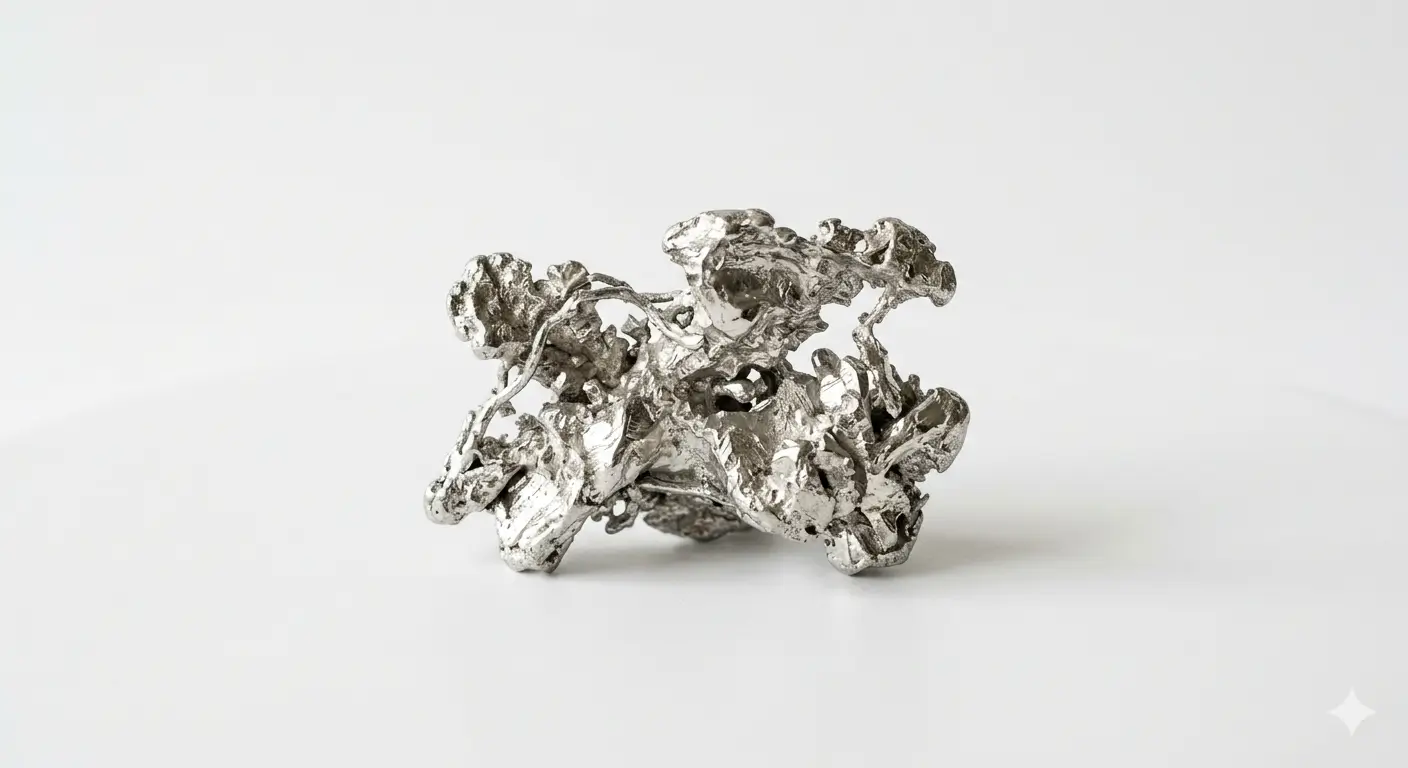
Silver is rarely found in pure form in the ground. Most of the time, it is mixed with other metals or minerals. Silver can form naturally in mineral deposits, like argentite, galena and chlorargyrite or as alloys with metals like gold, which people used in ancient times.
Silver often appears in areas with volcanic activity or hot water underground, called hydrothermal deposits. Here, hot water moves through rocks and deposits silver along with other metals. This is why many big silver mines are located near mountains or volcanic regions.
Because miners often find trace amounts of silver inside lead, copper, or zinc ores, they frequently extract silver as a byproduct of larger, multi-metal mining operations.
History of Silver
No one knows exactly who discovered silver first, but people have used it for thousands of years, long before written records. Ancient civilizations like the Sumerians, Egyptians and Greeks worked silver for coins, jewelry and decorative items. The Sumerians, around 2500 BC, even made musical instruments like silver-decorated lyres, showing they could refine and shape silver.
Archaeologists have also found early mining sites and slag heaps in regions like Anatolia (modern Turkey) and the Aegean islands, proving humans were working silver by the Bronze Age, at least 4,000 years ago. Throughout history, civilizations have valued silver for its beauty, durability, and societal utility, effectively establishing it as a primary precious metal.
Main Silver Mining Countries
These countries produce most of the world’s silver. They have the biggest mines and supply silver for coins, bars and investment metals. That is why knowing them helps investors understand where silver comes from and how prices can change.
| Country | Annual Silver Production | Main Mines | Notes |
| Mexico | ~6,000 tons | Fresnillo | Largest silver producer |
| Peru | ~3,500 tons | Cerro de Pasco | Known for high quality |
| China | ~3,000 tons | Various | Mostly industrial use |
| Australia | ~1,000 tons | Cannington | Large silver mine |
| Russia | ~900 tons | Dukat | High-purity silver |
| USA | ~900 tons | Penasquito | Silver with gold |
| Canada | ~800 tons | Cobalt | Growing silver output |
These countries are very important for silver investors. Changes in their production can affect global silver prices.
Top Silver Mines Around the World
There are some famous silver mines that produce a lot of silver every year. Knowing these mines helps investors understand where silver comes from and why it has value.
Penasquito Mine – Mexico
Penasquito is an open-pit mine in Mexico. It produces around 12 million ounces of silver every year. It is one of the biggest silver mines in the world and also produces gold, zinc and lead.
Saucito Mine – Mexico
Saucito is an underground mine in Mexico. It produces about 9 million ounces of silver annually. This mine is known for its high-quality silver and consistent output.
Cannington Mine – Australia
Cannington is an underground mine in Australia. It produces around 8 million ounces of silver each year. This mine is famous for silver with lead and zinc.
KGHM Mine – Poland
KGHM is an underground mine in Poland. It produces about 5 million ounces of silver annually. This mine is part of one of Europe’s largest copper and silver operations.
Yanacocha Mine – Peru
Yanacocha is an open-pit mine in Peru. It produces around 4 million ounces of silver per year. The facility produces high-purity silver and gold.
These mines are important because they supply a large portion of the world’s silver.
Silver Reserves and Locations
Not all silver has been mined yet. The silver that is still in the ground is called silver reserves. These reserves show where future silver can come from and help investors understand long-term supply.
Most of the world’s silver reserves are in North and South America, China, Russia and Australia. Countries like Mexico, Peru and Australia have the largest amounts of silver still underground. Some of these reserves are in open-pit areas, while others are deep underground mines.
Knowing where silver reserves are helps investors see which countries will keep supplying silver in the future. It also gives an idea of which regions have the biggest silver sources for investment metals and coins.
How Silver is Produced
Silver production starts with mining. Mines can be open-pit or underground, depending on where the silver is. Workers remove the ore from the ground, which contains silver along with other metals. After that, the process moves to the next stage.
Next, the ore goes through processing. This step separates silver from the rock and other minerals. Then, refiners use smelting and chemical processes to purify the silver.
After refining, the silver is formed into bars, coins or bullion. These are now ready for investment, collection or sale. This process ensures that investors and collectors get high-quality silver for their money.
Investing in Silver
Knowing where silver comes from can help investors make smarter decisions. If you understand the main silver mines and reserves, you can see which countries supply most of the silver and how this affects prices.
Investors in the UK have a few ways to buy silver. You can get physical silver like bars or coins, which you can keep safely at home or in a secure storage. Some people also use silver ETFs, which are easy to buy through the stock market, but physical silver gives a stronger sense of ownership.
If you want to buy silver in the UK, it is best to use trusted bullion dealers. Furthermore, reliable dealers deliver silver bars and coins safely with insurance and verified quality. By understanding silver sources and choosing these reputable sellers, UK investors make silver investing easier and safer.
Conclusion
Silver comes from a few main countries and important mines and knowing this helps investors understand its value. If you want to invest in precious metals like silver, it is important to buy safely from trusted sources. Learning about silver reserves, coins and bars can make your silver investing easier and smarter, especially for UK buyers.
FAQs
Where is silver found?
Mexico, Peru, China, Australia, Russia, the USA, and Canada produce the majority of the world’s silver. Miners typically find it mixed with other metals such as lead, zinc, or gold.
What is silver used for?
People use silver for jewelry, coins, bars, electronics, solar panels, medical tools, and investments.
How is silver mined?
Silver comes from open-pit or underground mines. Manufacturers process the ore to separate the silver, then refine it into bars, coins, or bullion.
What are silver reserves?
Silver reserves are silver still in the ground, not yet mined. They show where future silver will come from and help investors understand long-term supply.
How can I invest in silver in the UK?
You can buy physical silver like bars or coins from trusted dealers. Some people also use silver ETFs through the stock market.
Why is knowing silver sources important for investors?
Knowing where silver comes from helps investors predict supply, understand prices, and make safer buying choices.
Is silver a good investment?
Silver keeps value over time, can protect money from inflation, and is useful in many industries. It’s popular with investors who want physical metals or coins.